
Optimize Air Quality and Energy Efficiency: Efficient Ventilation for a Healthy Building
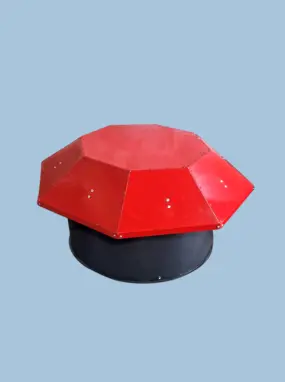
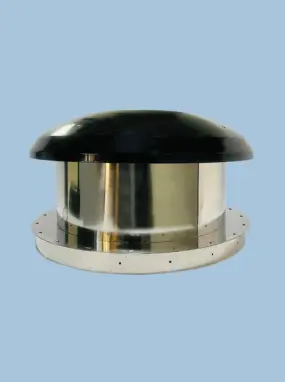
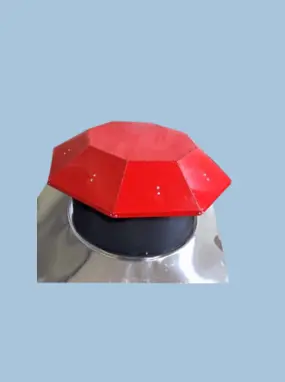
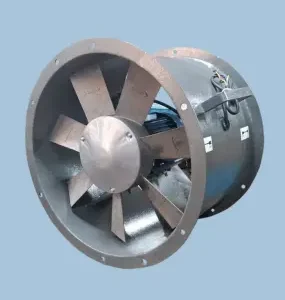
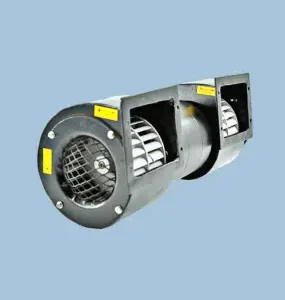
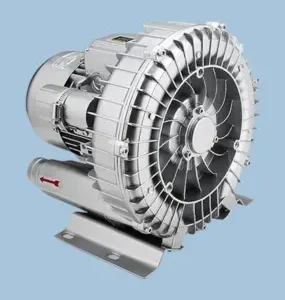
Ensure optimal air quality and prevent heat buildup with our robust and reliable Roof Extractors. Roof extractors are essential ventilation devices designed to effectively remove stale air, heat, humidity, and pollutants from buildings through the roof. By creating negative pressure, they facilitate the intake of fresh air through other openings, promoting a comfortable, healthy, and energy-efficient indoor environment. Our range of roof extractors caters to various building types and ventilation needs, offering durable construction and reliable performance.
Key Benefits of Using Roof Extractors:
- Improved Indoor Air Quality: Effectively removes contaminants like dust, Odors, fumes, and moisture, contributing to a healthier living and working space.
- Heat and Humidity Control: Prevents the buildup of excessive heat in attics and top floors, reducing the strain on cooling systems and improving overall comfort.
- Moisture Removal: Helps to prevent condensation and the growth of Mold and mildew, protecting the building structure and improving air quality.
- Energy Efficiency: By expelling hot air, roof extractors can reduce the need for air conditioning, leading to lower energy consumption and cost savings.
- Protection of Building Materials: By regulating temperature and humidity, roof extractors can help prolong the lifespan of roofing materials and insulation.
- Versatile Applications: Suitable for residential homes, commercial buildings, industrial facilities, and agricultural structures.
- Discreet and Weatherproof Design: Mounted on the roof, they are often less visually obtrusive than wall-mounted fans and are designed to withstand various weather conditions.
Features
- Airflow Capacity (CFM/CMH): Select a unit with the appropriate airflow rate based on the size and volume of the space being ventilated.
- Static Pressure Capability: Ensure the extractor can overcome any resistance in ductwork or the building’s natural airflow patterns.
- Fan Type and Efficiency: Consider the efficiency of the motor and fan design to minimize energy consumption.
- Noise Level (dBA): Choose a unit with a noise level appropriate for the surrounding environment.
- Construction Materials: Look for durable and weather-resistant materials like galvanized steel, aluminium, or UV-resistant plastics.
- Motor Protection: Ensure the motor has adequate protection against thermal overload and environmental factors.
- Installation Requirements: Consider the ease of installation and compatibility with your roof type.
- Maintenance Requirements: Look for units that are easy to access and maintain.
- Safety Features: Ensure the extractor has appropriate safety guards and certifications.
Applications:
- Residential Homes: Ventilating attics, bathrooms, kitchens, and living spaces.
- Commercial Buildings: Removing stale air and heat from offices, restaurants, and retail spaces.
- Industrial Facilities: Extracting fumes, dust, and heat from factories and workshops.
- Agricultural Buildings: Ventilating barns, greenhouses, and livestock housing.
- Warehouses: Controlling temperature and humidity in storage areas.
Invest in a Breath of Fresh Air:
Our Roof Extractors combine innovative design with practical functionality, offering a dynamic solution to modern ventilation challenges. Whether you’re seeking to enhance air quality in an industrial facility or create a more comfortable living environment at home, our extractor systems provide a dependable and cost-effective approach to sustainable indoor climate control. Embrace the future of ventilation and invest in technology that not only improves performance but also promotes energy conservation.
Invest in a reliable Roof Extractor to create a healthier, more comfortable, and energy-efficient building.
Reviews
There are no reviews yet.